The quick answer · Roughly 1–6 hours
A NOWcast puts the next few hours into plain language
The NWS glossary defines a nowcast as a short-term weather forecast, generally six hours or less. NWS Louisville describes the Short Term Forecast as generally valid for the next one to six hours and updated as often as necessary when conditions change.
That makes it useful when the broad daily forecast needs more detail: a band of showers moving through, fog thickening, a wind shift, a quick temperature drop, or snow changing a route. It is still a forecast, not proof that the described condition is already happening at every point in the named area.
Five details · Freshness first
Read the issue time, valid window, place, change, and impact
- Issue time. Confirm that the message is the newest one, not a saved screenshot or old search result.
- Valid window. Note when the forecast starts and ends. A NOWcast is intentionally short-lived.
- Named area. Match counties, towns, roads, or waters to the actual route. A nearby place can have a different timing.
- Expected change. Look for movement, arrival time, intensity, visibility, wind, temperature, or precipitation-type details.
- Practical impact. Translate the forecast into the decision: leave earlier, choose another route, move an activity indoors, or check again before departure.
The product expiration time only tells you when that message's valid window ends. It is not an all-clear. Open the latest forecast and alert again before assuming the weather has passed.
Product ladder · Different jobs
Outlook, forecast, NOWcast, watch, and warning are not interchangeable
- Outlook
- Broad planning context about a hazard that may develop. It usually covers a wider area or longer lead time and is not a local warning.
- Point or hourly forecast
- Expected weather for a specific place and time. Use it for the full outing, including the trip home.
- NOWcast or Short Term Forecast
- Event-driven local forecast detail for the next few hours. It can be updated as conditions evolve, but it is not a watch or warning.
- Watch
- A hazardous event is possible or conditions are favorable. Review the watch area and timing, prepare, and keep checking updates.
- Warning
- Hazardous weather is occurring, imminent, or highly likely in the warned area. Follow the official action statement immediately.
If the NOWcast and a current warning compete for your attention, the warning is the action product. Use the NOWcast as context; do not use it to weaken or delay the warning instruction.
A two-minute routine · Before you go
Pair the NOWcast with the exact point forecast, radar, and alerts
- Start with your location. Open the official point and hourly forecast for the destination and return time.
- Add the Short Term Forecast. Read it when your local office has issued one, especially during changing conditions.
- Check radar. Radar shows where precipitation is now; the NOWcast explains how the local forecaster expects it to evolve.
- Check alerts separately. Read the newest watch or warning polygon, issue time, expiration time, impacts, and action text.
- Refresh before departure. A rapidly changing forecast deserves another live check, not reliance on an old screenshot.
No Short Term Forecast on a local page does not mean “no hazard.” Offices issue products based on local needs, and a warning, point forecast, radar update, or other official message may carry the information you need.
Local expertise · Product availability varies
The local forecast office decides when extra short-term detail helps
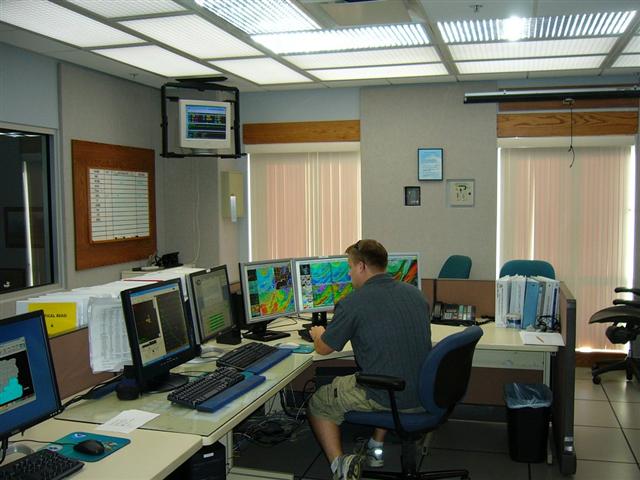
NOAA says local NWS Weather Forecast Offices monitor conditions around the clock, issue forecasts for their regions, and issue watches or warnings when threatening weather occurs or appears imminent. A NOWcast is one local-office tool inside that larger forecast and alert system.
Because offices serve different climates and events, the format, frequency, and availability can differ. The reliable habit is to use the newest official product for the exact place, then let a current watch or warning—not the absence of a NOWcast—drive the safety decision.
Primary sources · Reviewed November 3, 2026
Official information used for this guide
- National Weather Service glossary: Nowcast ↗
- NWS Louisville: Short Term Forecast purpose and one-to-six-hour window ↗
- National Weather Service product listing: NOW / Short Term Forecast ↗
- NWS Spokane: forecast, watch, warning, and Short Term Forecast definitions ↗
- NOAA JetStream: local NWS Weather Forecast Offices ↗
- NWS Tallahassee: forecast-office tour and public-forecaster photograph ↗
- National Weather Service: website use and public-domain policy ↗
Americans already fund these official public-weather products. MyUSA.us connects them to a clear planning path without subscriptions, advertising clutter, or unnecessary tracking.
Page reviewed: November 3, 2026